
Knowledge Centre

Why Most Website Copy Fails to Convert
Good design attracts attention. Great copy creates action. If your website is not converting, the problem may not be your traffic. It may be your words.

Why SEO Is Changing Faster Than Ever

Why First Impressions Decide Website Success
Visitors form website opinions within 0.05 seconds. That first moment often decides whether they stay or leave. People decide quickly online. Your website rarely gets a second chance to impress visitors.

Why Publishing Research Is Becoming More Competitive
Global research output exceeds 3 million papers annually, intensifying competition across nearly every academic field today. Top-tier journals often accept under 10% of submissions, making publication significantly more selective than before.

The Psychology Behind High-Converting Websites
A one-second delay can reduce conversions by around 7 percent. Over half of users abandon slow mobile pages. Too many choices reduce action. Hick’s Law shows decision time rises with complexity and lowers conversion rates significantly.

The Psychology Behind Memorable Brands
People remember emotions faster than product specifications or features. Memorable brands create feelings that stay long after interactions end. Simple brand messages process faster inside crowded digital environments. Complex branding reduces memorability and audience recall.

How to Write a Dissertation in the UK: Complete Guide
Writing a dissertation requires careful planning, focused research and strong academic writing. This complete UK guide explains each stage, from choosing your research topic to analysing findings, referencing sources and preparing your final submission.

How to Choose a Dissertation Topic: A Practical Guide for UK Students
Choosing the right dissertation topic is one of the most important decisions in your academic journey. A strong topic should be focused, researchable, relevant to your subject and manageable within your university requirements.

How to Structure a Dissertation: A Chapter-by-Chapter Guide
A clear dissertation structure helps your research flow logically, keeps your argument focused and makes complex findings easier for readers to follow. Most UK dissertations follow a broadly similar structure, although individual universities and subjects may require different chapter arrangements.

How to Write a Dissertation Proposal: Complete UK Guide
A dissertation proposal explains what you plan to research, why it matters and how you intend to investigate it. A strong proposal demonstrates that your research is focused, relevant and achievable. Before writing, check your university or department guidelines.

Dissertation Methodology: How to Choose the Right Method
Choosing the right dissertation methodology determines how your research will be designed, conducted and analysed. Your methodology should directly support your research question, objectives and overall purpose.

How to Conduct Dissertation Research: A Practical Guide
Dissertation research involves finding, evaluating and analysing evidence to answer your research question. A structured approach helps produce focused, credible and academically sound research.

How to Write Research Aims and Objectives for a Dissertation
Your research aim explains exactly what your dissertation intends to investigate, explore, analyse or evaluate. A strong aim is specific enough to guide your research without unnecessarily restricting what your study can discover.

How to Write a Dissertation Introduction: A Complete UK Guide
A dissertation introduction sets the direction for your entire research project. It introduces your topic, explains why the research matters and gives the reader a clear understanding of what your dissertation will investigate.

How to Write a Literature Review for a Dissertation: A Complete UK Guide
A dissertation literature review critically examines existing research related to your topic. It identifies key debates, evaluates academic evidence and establishes the research gap your study addresses.

How to Write a Dissertation Discussion Chapter: Complete UK Guide
The discussion chapter explains what your findings mean and why they matter within existing academic research. Your discussion should interpret findings, answer research questions, evaluate evidence and demonstrate independent academic thinking.

How to Write a Dissertation Conclusion
Your conclusion brings the research together, answers your question and demonstrates what your study contributes to existing knowledge. A strong conclusion synthesises your research rather than simply repeating every chapter or finding.

Qualitative vs Quantitative Research
Choosing the right research approach depends on your research question, objectives, data requirements and overall dissertation methodology. Qualitative opinions, behaviours and meanings through detailed, non-numerical data. whereas quantitative research uses numerical data to measure variables using statistical methods.

How Long Should Your Dissertation Really Be?
Most UK dissertations range from 5,000 to 20,000 words, depending on degree level and university requirements. Undergraduate dissertations commonly range between 5,000 and 12,000 words, depending on subject and programme requirements.

Dissertation Timeline: How to Plan Your Research
A clear dissertation timeline helps you manage research, writing, revisions and submission without unnecessary last-minute pressure. Begin planning several months before submission, giving yourself enough time for research, analysis, writing and revisions.

Primary or Secondary Research? Know the Difference
Primary and secondary research use different evidence sources. Choosing correctly depends on your research question, resources and methodology. Primary research collects original data directly from participants. Secondary research analyses existing information collected previously by researchers.
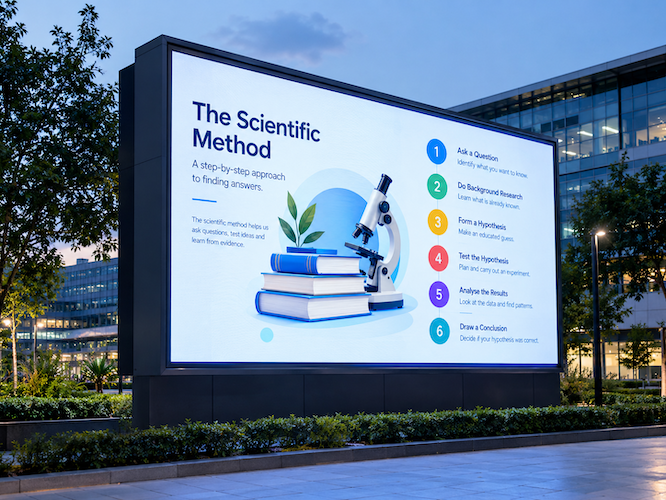
What Is Qualitative Research?
Qualitative research is a research approach used to explore people’s experiences, opinions, behaviours and perceptions in depth. Unlike quantitative research, which focuses on numerical data, qualitative research examines non-numerical information such as interview responses, observations and written documents.

What Is Quantitative Research?
Quantitative research is a research approach that uses numerical data to measure variables, identify patterns and test relationships. It is commonly used in dissertations, research papers and academic studies across business, healthcare, education, social sciences and other disciplines.

How to Conduct Interviews for a Dissertation
Interviews are a popular qualitative research method for exploring participants’ experiences, opinions, attitudes and perspectives in depth. For UK students, well-planned dissertation interviews can provide valuable primary data and strengthen the overall research methodology.

How to Choose a Research Method for a Dissertation
Choosing the right research method for your dissertation is essential. Your methodology determines how you collect, analyse and interpret evidence to answer your research questions. For UK university students, the right approach should align with your research question, objectives, subject area and available data.

How to Design a Dissertation Questionnaire
A well-designed dissertation questionnaire helps you collect reliable data and answer your research question effectively. For UK students, questionnaire design should align closely with research objectives, methodology and university requirements.

Sampling Methods for Dissertation Research
Choosing the right sampling method for dissertation research is essential when collecting data from participants. A suitable sample should reflect your research objectives and provide relevant evidence for answering your research questions.

Statistical Analysis for Quantitative Research
Statistical analysis for quantitative research helps researchers examine numerical data, identify patterns and test relationships between variables. For UK university students, selecting the right statistical technique is an important part of producing a strong quantitative dissertation or research paper.

Thematic Analysis for Qualitative Research
Thematic analysis is a widely used method for analysing qualitative data. It helps researchers identify, organise and interpret recurring patterns or themes within interviews, focus groups, observations and documents. For UK students, understanding how to conduct thematic analysis can make the dissertation data analysis process more structured and transparent.

Mixed Methods Research Explained
Mixed methods research combines qualitative and quantitative approaches within the same research project. It allows researchers to use numerical data alongside detailed insights to develop a broader understanding of a research problem. For UK university students, mixed methods can be useful when a dissertation requires both measurable evidence and deeper explanations.

Research Ethics for a Dissertation
Research ethics for a dissertation ensures that research is conducted responsibly, fairly and with respect for participants. Ethical considerations are particularly important when your study involves interviews, questionnaires, observations or other forms of primary research.

What Goes Into a Dissertation Abstract?
A dissertation abstract provides a concise overview of your entire research project. It helps readers quickly understand your research topic, methodology, key findings and overall conclusion. For UK university students, writing a clear abstract is an important part of producing a well-structured dissertation.

How to Write Dissertation Recommendations
Dissertation recommendations explain what should happen next based on the findings of your research. They can suggest practical actions, improvements or areas requiring further investigation. For UK university students, recommendations should be realistic, evidence-based and directly connected to the dissertation findings.

How to Write Dissertation Limitations
Dissertation limitations explain factors that restricted your research and help readers understand how they may affect your findings. Limitations are unavoidable research constraints involving methodology, data, sample, resources, scope or research design.

How to Write a Dissertation Research Question
A strong research question gives your dissertation direction and keeps your research focused, manageable and academically relevant. Your research question defines exactly what your dissertation aims to investigate, explain, compare or understand.

How to Find Sources for a Literature Review
Finding credible academic sources helps you build a strong literature review and support your dissertation arguments with reliable evidence. Identify key concepts, theories, variables and alternative terms related to your dissertation topic before searching academic databases.